Most people don’t spend much time thinking about their feet, until something doesn’t feel right. Maybe you’ve noticed itching between your toes after a workout. Maybe the skin on your foot has become dry, flaky, or irritated, and you’re wondering if it’s more than just dry skin.
Those small changes are often what lead people to search for athlete’s foot symptoms. The good news is that recognizing the early signs can help you decide when it’s time to treat the problem or speak with a healthcare provider. While athlete’s foot is common, it’s also something you shouldn’t ignore, especially if the symptoms continue to worsen.
Despite the name, you don’t have to be an athlete to get athlete’s foot. Athlete’s foot is a common fungal skin infection that usually develops on the feet, especially between the toes. The fungus thrives in warm, damp environments, which is why places like locker rooms, gym showers, pool decks, and shared shower facilities are often associated with its spread. According to the Centers for Disease Control and Prevention (CDC), athlete’s foot is one type of fungal infection that can spread through direct contact with infected skin or contaminated surfaces. You can learn more by visiting the CDC’s guide to Ringworm and Fungal Infections.
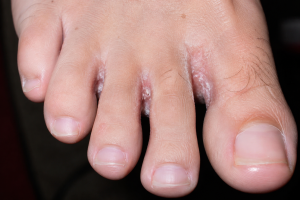
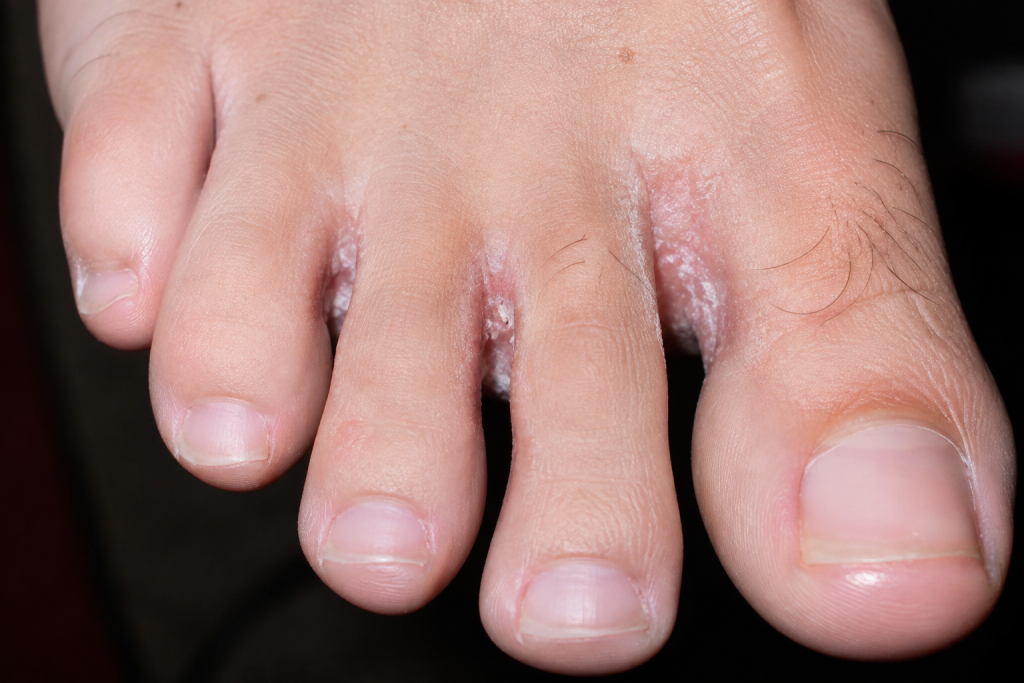
One of the reasons athlete’s foot is easy to overlook is that the symptoms often begin gradually. Many people mistake the early signs for dry skin or irritation caused by new shoes. Some of the most common athlete’s foot symptoms include:
Not everyone experiences the same symptoms, and they can range from mild irritation to more noticeable discomfort. If symptoms continue or become severe, it’s important to speak with a healthcare provider.
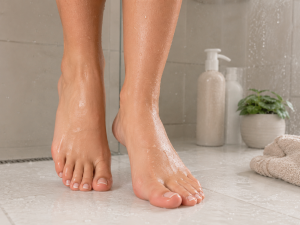
Athlete’s foot is caused by fungi that grow well in warm, moist environments. That doesn’t mean every public shower is dangerous, but shared spaces naturally have more opportunities for fungi to spread if proper hygiene isn’t practiced. Some common places where exposure may occur include:
Walking barefoot in these areas may increase your exposure to fungi. That’s one reason many people choose to keep some type of foot protection in their gym bag whenever they use shared showers.
If you think you may have athlete’s foot, don’t panic. Many cases respond well to over-the-counter antifungal treatments, but it’s still important to follow the directions on the product and monitor your symptoms.
You can also support healthy feet by:
If the infection doesn’t improve, becomes painful, or continues spreading, it’s best to contact a healthcare provider for further evaluation.
Whether you’re heading to the gym before work or spending the weekend at a campground, good foot hygiene is one of the easiest habits you can build. Many people already pack shampoo, soap, and a towel without giving much thought to what they’re standing on. If you regularly use shared showers, it may also be worth thinking about foot protection. That’s why many travelers, gym members, college students, and campers keep Shower Socks in their shower bag. They’re lightweight, disposable, and easy to pack alongside your other shower essentials. It’s important to remember that Shower Socks are not a treatment for athlete’s foot and cannot guarantee prevention of fungal infections. They’re simply one part of a good hygiene routine for people who frequently use communal showers.
Combined with washing your feet, drying them thoroughly, and wearing clean socks each day, they can help you feel more prepared whenever you’re away from home.
Most cases of athlete’s foot don’t happen overnight, and neither do healthy foot care habits. Taking a few extra moments to wash and dry your feet, rotating your shoes, and thinking ahead before using shared shower facilities can go a long way toward supporting healthy feet.
At ShowerSock.com, we created Shower Socks for people who regularly shower away from home. Whether you’re at the gym, traveling, staying in a dorm, or visiting a campground, they’re an easy addition to your shower routine and fit easily into almost any gym bag or travel kit.
Early athlete’s foot symptoms often include itching between the toes, mild redness, dry or peeling skin, and a burning sensation. Symptoms can vary from person to person.
Yes. Athlete’s foot is sometimes mistaken for dry skin because both conditions can cause flaking and peeling. If symptoms don’t improve with moisturizing or continue to spread, it’s a good idea to consult a healthcare provider.
Fungi that cause athlete’s foot can be present in warm, damp environments such as locker rooms and communal showers. Practicing good foot hygiene and wearing appropriate foot protection in shared shower areas may help reduce exposure.
Dry skin usually improves with moisturizing, while athlete’s foot often includes persistent itching, redness, peeling, or a spreading rash. If you’re unsure, a healthcare provider can help determine the cause.
No. Shower Socks are not a medical device and are not intended to prevent or treat athlete’s foot. They are designed to provide disposable foot coverage while using shared showers and can be used as part of an overall foot hygiene routine.